|

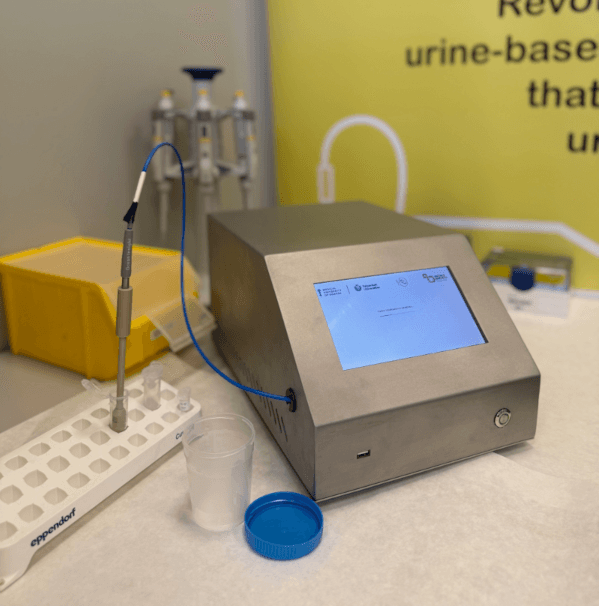
Our photonic sensor platform detects bacterial infections in urine in under 20 minutes using advanced optical fiber technology. Reusable, chemical-free, and cost-effective, it provides hospitals and point-of-care units with a faster, greener, and more accurate way to diagnose urosepsis, with potential for multiple disease applications.

Logo
  • Gdański Uniwersystet Medyczny
  • Nauka dla społeczeństwa
  • Politechnika Gdańska
  • Pomorski Uniwersystet medyczny

Our solution

The use of photonic sensors and artificial intelligence (AI) for urosepsis diagnosis from urine samples is an area of active research. Photonic sensors use light to detect changes in the composition of a sample, which can provide valuable information about the presence of bacterial infections.


Our solution have investigated the use of photonic sensor in combination with AI algorithms for urosepsis diagnosis from urine samples. Our solution is photonic sensor-based platform for the rapid and sensitive detection of bacterial infections in urine samples. The platform used AI algorithms to analyze the sensor data and provide accurate and fast diagnosis of urosepsis. The use of photonic sensors and AI algorithms for urosepsis diagnosis from urine samples is a promising area of research that may lead to faster and more accurate diagnosis of this serious condition. However, more research is needed to fully validate the accuracy and effectiveness of these approaches in clinical settings.

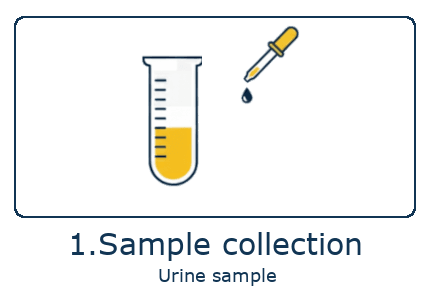
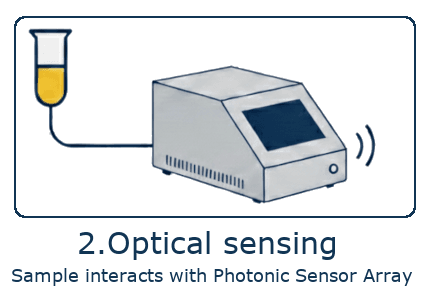
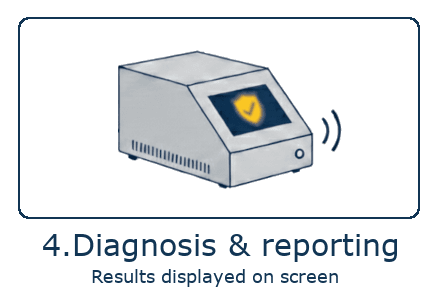
Step 1Step 2Step 2Step 2
More

Urosepsis

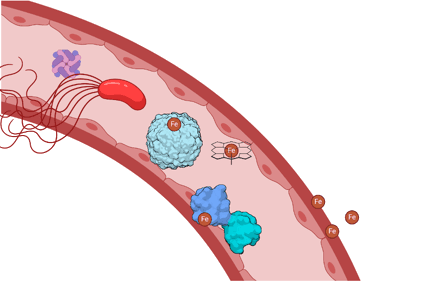
Urosepsis is a severe, life-threatening complication where a common Urinary Tract Infection (UTI) spreads from the urinary tract into the bloodstream, leading to systemic inflammation and multi-organ dysfunction. This condition, which carries a high mortality rate ranging from 20% to 40%, demands immediate medical intervention. Risk factors include advanced age, immune compromise, and urinary tract obstructions, with delayed diagnosis and antibiotic-resistant bacteria significantly escalating the risk of death. Treatment is aggressive and multifaceted, focusing on prompt administration of broad-spectrum intravenous antibiotics, critical supportive care (like fluid management), and rapid source control to drain any obstruction. Ultimately, early recognition of UTI progression and rapid, appropriate therapy are crucial to improving survival outcomes for this critical medical emergency.

urospesis

Life expectancy

The life expectancy after urosepsis can vary depending on several factors, including the severity of the infection, the age and overall health of the person affected, and the promptness and effectiveness of the treatment.


In general, if urosepsis is diagnosed and treated promptly, most people will recover without any long-term complications. However, if the infection is severe or if it spreads to other organs, it can lead to organ damage and other serious complications, such as septic shock or acute respiratory distress syndrome (ARDS).


The mortality rate for urosepsis can also vary widely, depending on the severity of the infection and other factors. Studies have reported mortality rates ranging from less than 5% to more than 40%.


It is important to note that urosepsis is a serious medical condition that requires prompt treatment, and the outcome can be unpredictable. If you or someone you know has urosepsis, it is important to follow the advice of medical professionals and to seek ongoing medical care as needed.

expectancy

Diagnostics

The diagnosis of urosepsis relies on a comprehensive approach combining a patient's medical history and a physical examination for signs like fever and hypotension. This is supported by essential laboratory tests to confirm the infection and assess its severity. Key diagnostic tests include urine and blood cultures (which take 24-72 hours for initial results) to identify the causative bacteria, as well as a Complete Blood Count (CBC) and various metabolic and kidney function tests to check for systemic complications like organ damage. Imaging studies, such as a CT scan or ultrasound, may also be ordered to detect obstructions. The estimated costs for these tests vary widely, from around $20–$150 for simple blood tests up to $300–$3,000 for imaging studies, making prompt and accurate diagnosis a critical step for timely treatment and improved outcomes.

diagnostics

Market

The urosepsis diagnostics market is undergoing rapid growth, driven by the high global prevalence of urinary tract infections (UTIs)—which can escalate to urosepsis and account for up to 25% of sepsis cases in the U.S.—and significant technological innovation. With the global sepsis diagnostics market projected to grow at an estimated compound annual growth rate (CAGR) of over 8% through 2030, the demand for timely and accurate detection is critical. Market expansion is fueled by the adoption of rapid molecular diagnostics, which drastically cut turnaround times, the integration of AI for predictive analytics, and the increasing use of Point-of-Care (POC) testing. These advanced diagnostic protocols yield substantial economic and clinical benefits, notably reducing sepsis-related mortality by up to 34% and cutting hospital costs by up to 65% through early intervention. Despite challenges like diagnostic delays, antimicrobial resistance (AMR), and regulatory hurdles, the sector presents compelling investment opportunities with a strong future outlook centered on strategic partnerships and continuous R&D in next-generation diagnostic tools.

market

Contact us

  • PhD Eng. Paweł Wityk

    pawel.wityk@gumed.edu.pl

  • Center of Technology Transfer

    Medical University of Gdańsk

    Dębinki 7 Street, building no. 5, I floor,

    80-952 Gdańsk

  • naukaibiznes@gumed.edu.pl

  • (58) 349 10 09

This site is protected by reCAPTCHA and the Google Privacy Policy and Terms of Service apply.